
Project DERRIS
DisastEr Risk Reduction InSurance
Project Description
In recent decades, climate change has led to an increase in the frequency of extreme weather events, with significant impacts on natural and anthropogenic environment, which have proved to be sensitive to these phenomena. It is expected that in the future the effects of climate change will tend to be increasingly relevant; in Italy, for example, possible alterations of the hydro-geological regime are expected, with a consequent increase in the risk of landslides, floods and coastal erosion. In relation to these events, public administrations (PA) and small and medium-sized enterprises (SMEs) have shown limited capacity for preventing and managing risks and climate emergencies. Italy, despite being one of the European countries most vulnerable to the climate change effects as reported in a recent study (Zurich, Potential effect on business of small and medium enterprises (SMEs) due to climate change in 2016 Global survey report, November 2016), is also among those countries where SMEs underestimate the risks and impacts of climate change on their businesses, in many cases due to the lack of tools and knowledge necessary for the assessment, prevention and management of these risks. As a result, economy and society in general are vulnerable and exposed to significant risks.
Insurance companies have the knowledge, experience and tools to assess business risks (including those related to climate events) and to define the measures to reduce the related damages; transfer of these skills to SMEs and the public sector has the potential to generate advantageous cooperation for all the actors involved, which aligns common interests towards the reduction of climate change’s risks and costs. By applying this collaborative system to the Italian context, characterized by a low penetration of insurance coverage in the market and the lack of public funds intended to compensate for the damages caused by natural disasters, urban adaptation processes could be significantly improved.




Obiettivi
Objectives
The DERRIS project aimed to promote a synergy between insurance companies, PAs and SMEs in order to achieve a reduction in the climate change-related risks and costs, generally increasing the resilience of companies and territories (Figure 1).
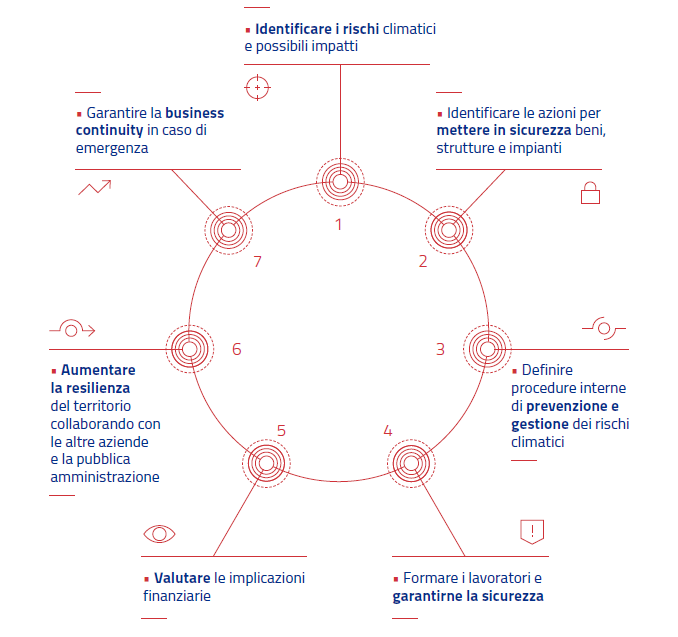
Figure 1.Resilience index (source: Layman’s report - DERRIS)
The project set out to:
- Implement innovative forms of public-private governance for climate disasters, involving SMEs, PAs and insurance companies;
- Transfer the knowledge of the insurance sector, related to risk assessment and management of catastrophic climate events, to the PAs and SMEs in order to create resilient companies and encourage the adoption of effective local adaptation plans;
- Disseminate risk assessment tools and competences, developed by the insurance industry, at the PA and SMEs;
- Evaluate the adoption of specific financial instruments and innovative solutions for adapting to climate change.
The project envisaged the evaluation, through a specially developed IT tool, of 7 main weather and climate phenomena as source of risk: flood, rain, landslides, hail, wind, lightning and temperature, and identifies the best solutions to be applied at company level to prevent damage.
Fasi del Progetto
Project Phases
The main project phases, developed in Turin as pilot area, were the following:
- Analysis of the district, aimed at assessing the vulnerability of the Turin city area and identifying the characteristics of the industrial urban districts. This phase included the mapping of management and governance measures and tools in the climate change sector, meetings with local stakeholders, selection of industrial areas and of 30 pilot companies for the project development;
- Development of the “CRAM” IT tool for assessing climate change-related risks and identifying possible solutions;
- Training of the personnel identified by SMEs and the PAs of Turin to transfer technical knowledge to assess and manage weather and climate risks. Specific training plans have been defined and implemented for SMEs and PAs;
- Development and adoption of climate adaptation action plans (CAAP) by the pilot companies. This phase was conducted through on-site inspections by UnipolSai's specialized staff and the development of a corporate adaptation plan. The definition of the adaptation plans was carried out with the support of the CRAM tool, specifically developed to facilitate and speed up the drafting. The various activities carried out in this phase have also allowed the completion of the development of the CRAM tool.
- Adoption of the District Adaptation Plan (IDAP) of the Municipality of Turin, through a training course, 3 co-design workshops and an intersectoral working group. The process involved the collaboration of various departments of the city of Turin, such as environment, urban planning, civil protection, urbanization and redevelopment of public spaces, mobility, public works, management of green areas, communication and social services;
- Implementation of financial instruments for adaptation, which included an initial survey and in-depth analysis of the possible financing mechanisms present on the international and national market, with a particular focus on innovative mechanisms capable of using financial leverage to produce positive impacts at environmental and social levels. This phase led to the development of a special financial instrument consisting of a bank loan for SMEs interested in implementing the climate change-related risk prevention and management actions defined in their CAAP;
- Dissemination and replication of the DERRIS project: the project was extended to several Italian local authorities, allowing the creation of a "DERRIS community" through the organization of national and local workshops aimed at pervasive stakeholder involvement.
- Creation of a network with other European projects (LIFE and others), which allowed a constant and sound exchange of information in order to share documents and publications useful for the achievement of the respective objectives and the creation of collaborations.
Risultati Raggiunti
Project Results
- Transfer of knowledge and skills from the insurance sector to the PAs and the SMEs involved in the project through training sessions and workshops. In order to disseminate the contents of the training sessions, 2 “training pills” (Webtrainings) were created and further teaching materials were made available: 2 e-books entitled “The climate change and related risks” and “Risk and emergency management”, a “Toolkit for SMEs” and a “Toolkit for PAs”. In addition to the training material contained in the "Toolkits", two video clips were produced on climate change risks as well as on risk and emergency management.
- Analysis of the contents of the Climate Adaptation Action Plans of the participating pilot SMEs of the city of Turin;
- Development of an IT tool for the self-assessment of the climate risk to which the company is exposed (CRAM tool). The tool contains a geo-localization system of the industrial site and provides:
- information on the level of danger of the selected area based on the risk maps developed by the project using official data;
- self-assessment questionnaire aimed at identifying corporate vulnerability to climate change;
- qualitative risk and resilience indices;
- identification of a series of adaptation measures that the company should implement to improve its resilience;
- Action Plan with possible interventions to prevent and manage climate change-related risks (CAAP).
- video tutorial on the use the CRAM tool;
- Survey of the available financial instruments and definition of a specific financial instrument to make available to companies the financial capital necessary for the implementation of the actions contained in the CAAP. The instrument, developed on the basis of the needs expressed by the SMEs participating in the project, is a bank loan (min. € 10.000 – max. € 100.000) delivered by Unipol Banca.
- Guidelines for PAs: assessment and management of climate change-related risks;
- Guidelines for the financial and insurance sectors;
- Report on the memorandum with the cities;
- Report on the Derris project’s impacts;
- Report on the financial instruments for adaptation;
- Dissemination of the project to 10 local authorities (Municipalities of Genoa, Varese, Padua, Bologna, Pescara, Molfetta, Udine, Rovereto, Alghero and the Union of Municipalities of the Empolese Valdelsa district) and launch of the campaign "The Interval" on social media ( in particular LinkedIn), with the aim of reaching as many SMEs as possible throughout the Italian territory.
Geolocalization
Acronym
DERRIS
Number of reference
LIFE14 CCA/IT/000650
Reference Programme
Theme
Beneficiary Coordinator
UNIPOL GRUPPO FINANZIARIO
Budget
€ 1.317.166
EU contribution
€ 790.299
Call Year
2014
Start Year
2015
End Year
2018
Beneficiary headquarters
Via Stalingrado 37
40128 Bologna BO
Italy
Region
Description
Emilia Romagna